


Acne scars can be stubborn and hard to treat. Many people try creams or single treatments, but the results are often limited. A more advanced option is PRP (Platelet Rich Plasma) + subcision + TCA peel for acne scars. This approach works on different layers of the skin at the same time.
Subcision helps release deep scars by breaking fibrous bands under the skin. PRP uses your own growth factors to support healing and boost collagen. A TCA peel improves the surface by smoothing texture and reducing discoloration. Together, these treatments support better skin repair and more natural-looking results.
This guide explains how each treatment works, what to expect, how many sessions you may need, and how to decide if it is right for you.
Why Acne Scars Stick Around Long After Breakouts Fade
When acne clears, many people expect their skin to go back to normal. But the truth is, acne often leaves changes beneath the surface that take much longer to heal.
During a breakout, the skin becomes inflamed. This inflammation can damage the deeper layers, not just the top. The pilosebaceous unit, which includes the hair follicle and oil gland, can stretch, clog, and sometimes rupture. When this happens, the body sends in healing cells to repair the area.
Here is where things can go off track.
The skin tries to rebuild itself using collagen. Collagen is the protein that gives skin its strength and smooth look. If the body does not make enough collagen, it can leave a dip or hollow. These are called atrophic scars, like rolling or boxcar scars.
On the other hand, if the body makes too much collagen, the skin can become raised. These are known as hypertrophic scars. Both types happen because the healing process is not balanced.
Another key reason scars stay visible is something called fibrotic tethers. These are tiny bands of scar tissue that form under the skin. They connect the top layer of skin to deeper layers. When they tighten, they pull the skin downward. This creates shadows and uneven texture, even if the surface looks healed.
Blood flow and inflammation also affect how scars form. If inflammation lasts too long, it can slow down proper healing. This can lead to post-inflammatory hyperpigmentation acne, which shows up as dark spots after the acne is gone.
It is also important to know that not all scars look the same. Some are deep and need treatments that work below the surface. Others are more about color and texture. This is why a single treatment does not work for everyone.
In simple terms, acne scars stay because the skin heals unevenly, both above and below the surface. That is why effective treatment needs to address both layers, not just what you see on top.
The Real Reason Most Acne Scar Treatments Fall Short
 Many treatments focus on only one layer of the skin. For example, creams may help with color but not depth. Some devices improve texture but do not release the tension under the skin.
This is why combination therapy for acne scars is often more effective. It treats the problem from different angles. Instead of working on just the surface, it also targets deeper structures.
Collagen induction therapy is one important concept here. It means encouraging the skin to produce new collagen. Treatments like microneedling acne scars or radiofrequency skin treatment use this idea. However, when combined with subcision and PRP, the results can be stronger.
Dermal remodeling happens over time. The skin rebuilds itself slowly. That is why a single session rarely gives full results.
Subcision Explained in Simple Terms: Releasing What Holds Scars Down
Subcision may sound technical, but the idea behind it is simple. Some acne scars are not just surface marks. They are being pulled down from underneath by tight bands of scar tissue. These are called fibrous bands, and they act like tiny strings holding the skin down.
Because of this pulling, the surface looks uneven. Light hits the skin differently, which creates shadows and makes scars look deeper than they are.
Subcision focuses on fixing that root problem.
During the treatment, a trained provider gently inserts a small tool under the skin. This tool can be a Nokor needle or a blunt cannula. The goal is to reach those tight bands and carefully release them.
Once those bands are broken, the skin is no longer being pulled down. It can lift slightly and look smoother right away. Over the next few weeks, the area continues to improve as the skin heals.
There are two common approaches used in subcision. A Nokor needle is sharp and allows for very precise work, which can be helpful for deeper or more defined scars. A blunt cannula has a rounded tip, so it moves under the skin more gently. This can reduce bruising and may be better for wider areas.
Both techniques are effective. The choice depends on the type of scars and the provider’s experience.
Another important benefit of subcision is what happens after the treatment. When the body senses this controlled injury, it starts a repair process. This includes collagen synthesis, which means new collagen is produced in the treated area.
Collagen helps fill in the space where the scar used to be. Over time, this makes the skin look firmer and more even.
So in simple terms, subcision works in two ways. First, it releases what is pulling the skin down. Second, it helps the skin rebuild itself from within.
PRP Therapy: Using Your Body’s Own Growth Factors to Repair Skin
PRP stands for platelet-rich plasma. It comes from your own blood. A small sample is taken and then processed to concentrate platelets. These platelets contain growth factors.
These growth factors help the wound healing process. They support collagen production and tissue repair. When applied after subcision, PRP helps the skin heal better and faster.
PRP is often used in combination with other treatments. It works well with microneedling acne scars, dermal fillers acne scars, and subcision.
Another benefit is that PRP is natural. Since it comes from your own body, the risk of reaction is low. It is suitable for many Fitzpatrick skin types.
TCA Peel and CROSS Technique: Targeting Surface Scars and Texture
A TCA peel is a treatment that focuses on the top layers of the skin. It uses trichloroacetic acid, which is a medical-grade solution, to remove damaged skin and encourage fresh, healthy skin to grow in its place.
When the outer layer is gently removed, the body starts a repair process. New skin cells form, and collagen production increases. This helps improve skin texture, making it feel smoother and look more even over time.
The TCA CROSS technique is a more targeted version of this treatment. CROSS stands for Chemical Reconstruction of Skin Scars. Instead of applying the acid to the whole face, the provider places a small amount directly into each scar.
This method works especially well for deep, narrow scars like ice pick scars. These scars go deep into the skin and are hard to treat with surface methods alone. By placing the acid inside the scar, it creates a controlled injury. The body then responds by building new collagen in that exact spot.
Over time, this helps lift the scar from within and reduce its depth.
Another important benefit of TCA peels is their effect on skin tone. After acne heals, many people are left with dark spots. This is called post-inflammatory hyperpigmentation acne. It happens when the skin produces extra pigment during healing.
TCA helps speed up the natural shedding of pigmented skin cells. As new skin forms, the tone becomes more even. This can make the skin look clearer and brighter.
In simple terms, TCA treatments work on the surface while also supporting deeper repair. The peel smooths the outer layer, while the CROSS technique targets individual scars. Together, they help improve both texture and color for a more balanced, healthy look.
Why This 3 Step Combination Delivers Better Results Than Single Treatments
Each part of this treatment has a role. Subcision works on deep scars. PRP supports healing and boosts collagen. TCA peel improves the surface.
When combined, they treat multiple layers of the skin. This is why the results can be more noticeable.
Studies, including split-face study comparisons, show that combination acne scar procedures often perform better than single treatments. They help improve skin texture, reduce depth, and create a more even look.
This approach is also flexible. It can be adjusted based on the type and severity of scars.
What Your Treatment Sessions Actually Feels Like
It is normal to feel a bit nervous before any skin treatment, especially if you are not sure what to expect. The good news is that this process is designed to be as comfortable as possible.
Before subcision starts, a topical anesthetic cream is applied to your skin. This numbs the area so you feel very little pain during the procedure. Most people describe the feeling as mild pressure rather than sharp pain. During this step, you may feel a gentle pushing or movement under the skin. Some areas can feel slightly more sensitive, but it is generally easy to tolerate.
After that, PRP is applied to the treated areas. Since PRP comes from your own blood, it feels soothing and helps calm the skin. It also supports the healing process right away. It can be applied with microneedling or RF microneedling to stimulate collagen production, which can improve skin texture and gradually reduce the appearance of acne scars.
The final session is the TCA peel or CROSS technique. You may feel a light stinging or warm sensation for a short time. This feeling fades quickly as the skin adjusts.
These sessions are considered minimally invasive acne scar treatments. There are no large cuts or stitches, and you do not need surgery. Most people can go home right after the procedures.
Once the treatments are done, your skin may look red or slightly swollen. This is completely normal. Some areas may feel tender, similar to a mild sunburn. These effects are part of the body’s natural healing response and usually improve within a few days.
In simple terms, the treatments are manageable, controlled, and designed with comfort in mind, while still being effective at improving acne scars.
Healing Timeline: What to Expect After Your Treatment
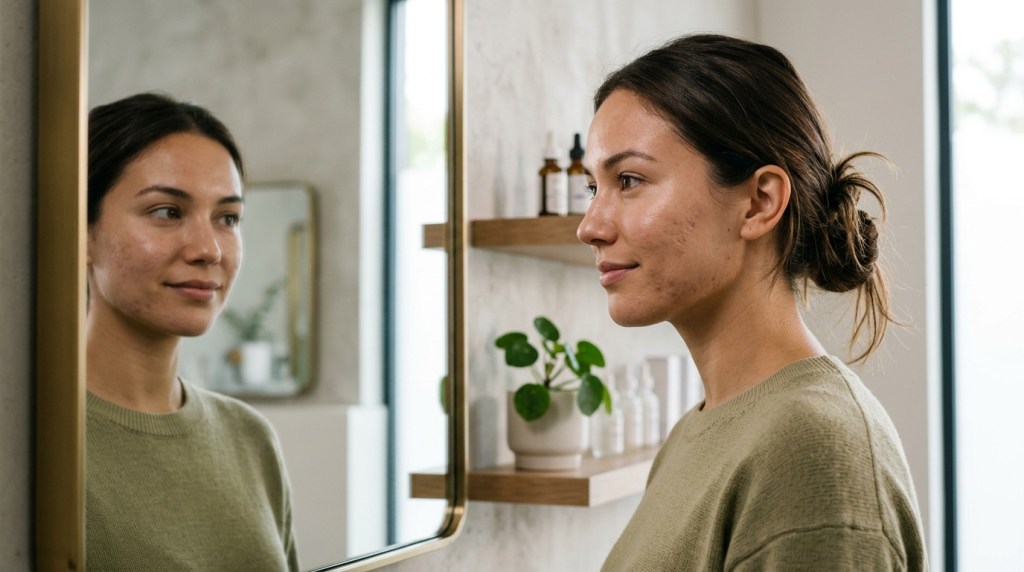 Recovery is different for everyone. Most people experience mild swelling, redness, or bruising. This usually improves within a few days.
The TCA peel may cause light peeling. This is part of epidermal regeneration. New skin forms underneath.
Acne scar downtime recovery depends on how deep the treatment was. Some people return to normal activities quickly. Others may need a few extra days.
Good aftercare is important. This may include proper skincare and sun protection to support skin recovery.
How Many Sessions Will You Need for Visible Improvement
No fixed number works for everyone. Acne scars are different from person to person, so the number of sessions depends on your skin, your scar type, and how your body heals.
Mild scars may respond faster and need fewer sessions. Deeper scars, especially those with strong fibrotic tethers, usually need more time and repeated treatments.
It is also important to know that results do not happen overnight. Treatments like subcision, PRP, and TCA peel work by triggering collagen synthesis. This means your body slowly builds new collagen to repair the skin. This process can take several weeks to months after each session.
Most people notice gradual changes. The skin starts to look smoother, and scars become less visible over time. Each session builds on the last, which is why spacing treatments properly is important.
A typical plan may include a series of sessions, often spaced a few weeks apart. This gives your skin time to heal and respond before the next treatment. Your provider will adjust the plan based on how your skin improves.
In simple terms, think of this as a step-by-step process. With the right plan and consistency, the results can become more noticeable and long-lasting.
Understanding Cost and Choosing the Right Acne Scar Specialist in Vancouver, British Columbia
The cost of treatment can vary. It depends on the number of sessions, the techniques used, and the experience of the provider.
PRP and subcision acne scars cost may be higher than basic treatments, but it often provides better value because it targets multiple layers of the skin.
Other options like microneedling for acne scars, or radiofrequency microneedling skin treatment may also be considered. Each has its benefits.
Choosing an acne scar specialist is important. Experience and technique can affect results.
At Ovo Medi Spa in Vancouver, treatments are planned carefully based on your skin type and scar condition. The goal is safe, steady improvement with natural results.
Is This the Right Acne Scar Treatment for Your Skin Type
This combination can help many people, but it is not the perfect fit for everyone. Your skin type, scar type, and goals all matter when choosing the right treatment.
If your scars are deep, such as rolling or tethered scars, this combination often works better than surface treatments alone. Subcision helps release the deeper pull, while PRP supports healing, and TCA improves the outer layer. This makes it a strong option for uneven texture.
If your main concern is discoloration, like post-inflammatory hyperpigmentation acne, you may not need all three steps. In some cases, lighter laser treatments, microneedling with salmon DNA, or targeted peels may be enough to improve skin tone.
There are also other options to consider. Treatments like microneedling for acne scars or radiofrequency microneedling skin treatment may also be recommended, depending on your skin condition.
The best way to decide is through a proper consultation. A trained provider will examine your skin, look at the type and depth of scars, and create a plan that fits your needs.
At Ovo Vancouver Medi Spa, the focus is on taking the time to understand your skin first. The goal is not just to treat scars, but to choose the approach that gives you the safest and most natural-looking results over time.
Conclusion: A Balanced Approach to Smoother Skin
Acne scars can affect confidence, but they can improve with the right approach. Treatments that work on only one layer may not give full results. A combination approach addresses the deeper cause and the surface at the same time.
PRP, subcision, and TCA peel each play a role in improving skin texture, boosting collagen, and supporting natural healing. Over time, this can lead to smoother, more even skin.
If you are looking for a thoughtful and personalized plan, start with a proper consultation. Understanding your skin is the first step toward real improvement.
If you are ready to take the next step, reach out to Ovo Medi Spa in Vancouver to explore your options and get a plan built around your skin goals.


